How to Choose the Perfect Console Table
Few pieces of furniture are more versatile than the console.
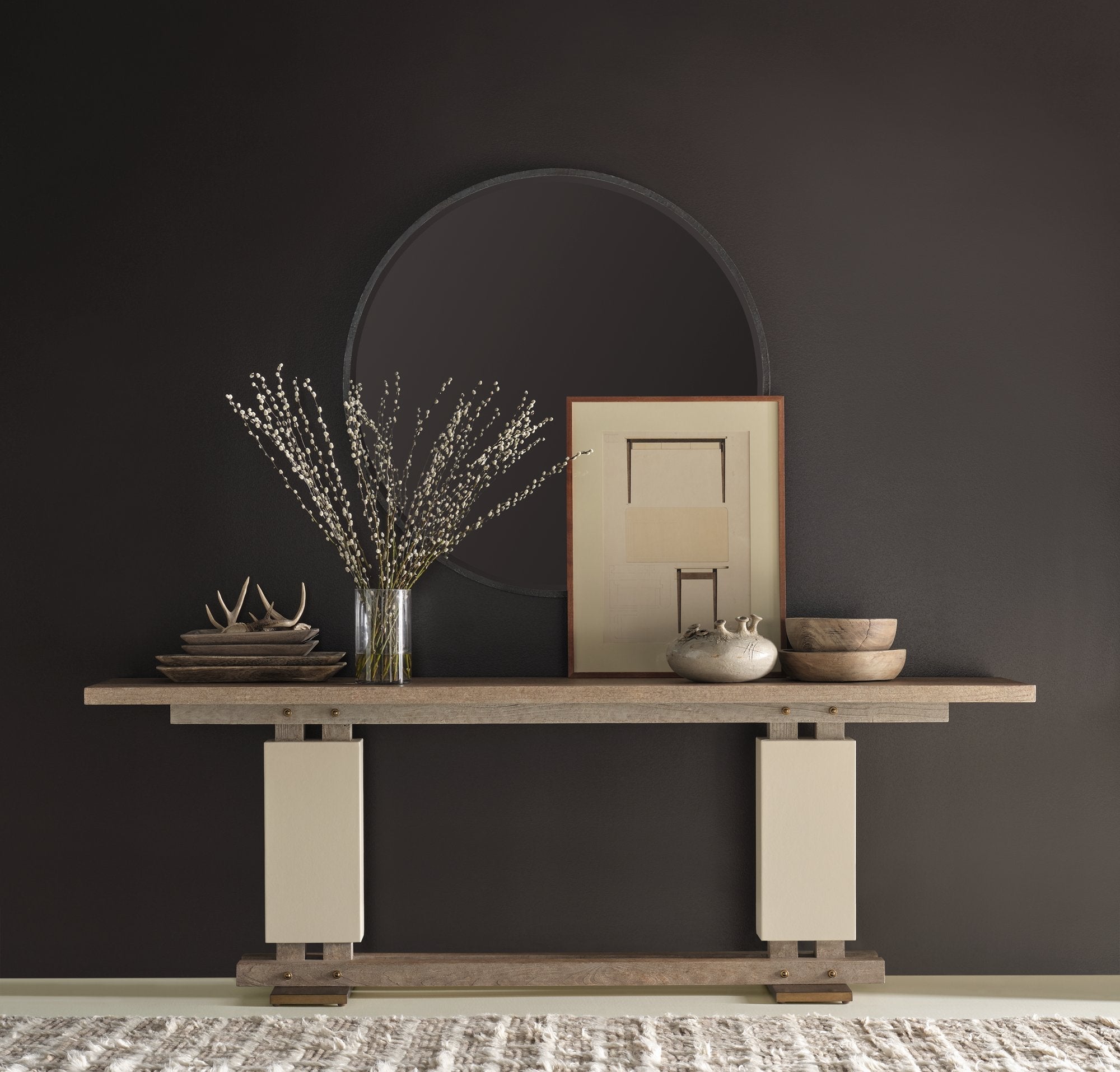
Entryway.
Dining room.
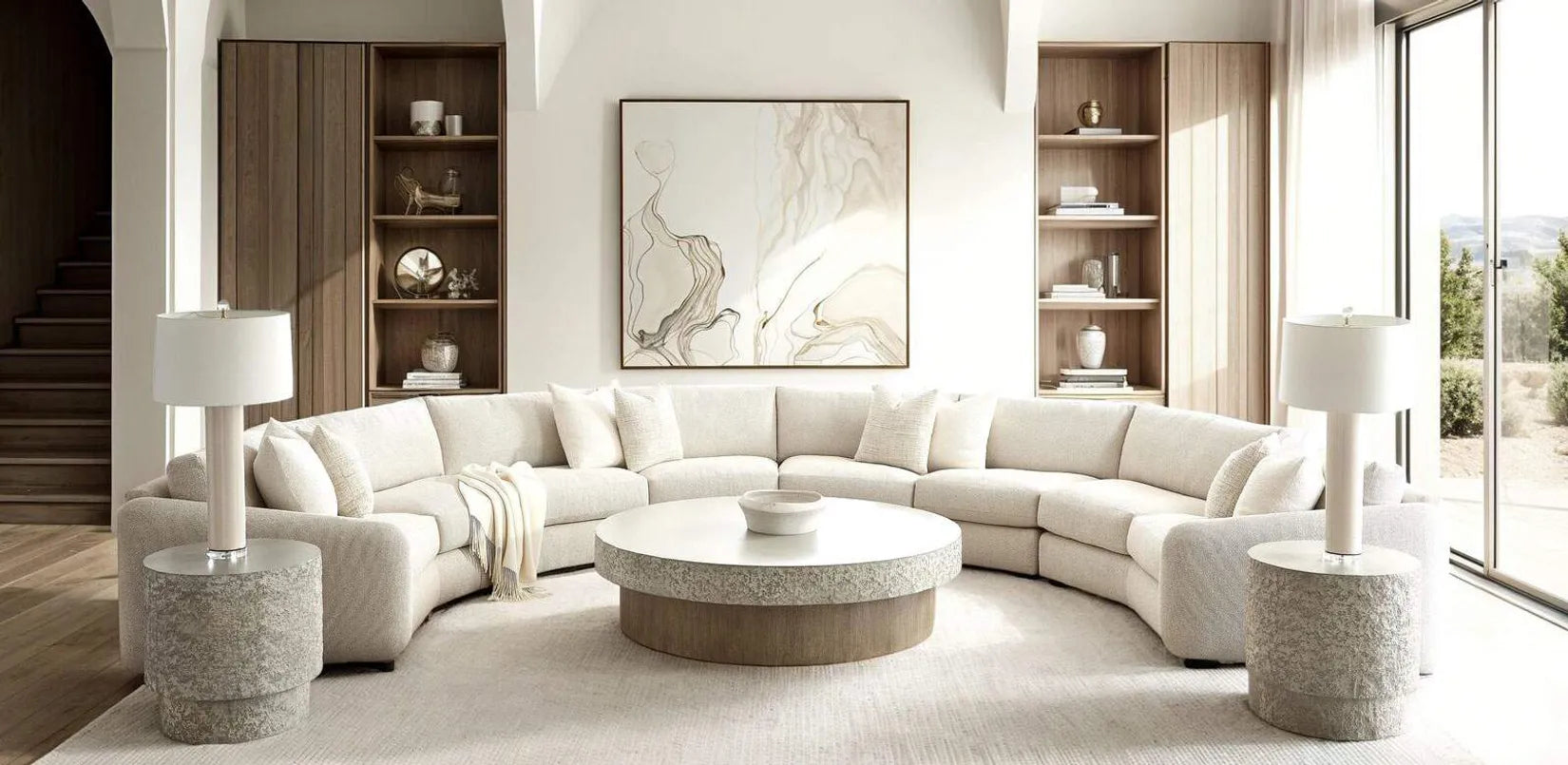
Living room.
Behind the sofa.
Below artwork.
In a hallway.
A well-chosen console can work almost anywhere.
Begin With Function
What will the console actually do?
Will it:
- Hold lamps?
- Provide storage?
- Sit behind a sofa?
- Anchor artwork?
- Function as an entry table?
- Hold dining accessories?
The answer should influence the size and design.
Match the Scale to the Wall
One of the most common mistakes is choosing a console that's too small.
A large wall requires enough visual weight to feel balanced.
Don't be afraid of a substantial piece when the architecture supports it.
Depth Matters
In a hallway, a shallow console may be essential.
Behind a sofa, you may have more flexibility.
Always measure traffic flow before selecting depth.
Consider Storage
Drawers and doors can make a console surprisingly practical.
An entry console can hide keys and clutter.
A dining console can store linens or serving pieces.
A living room console can conceal electronics or everyday items.
Use the Console as a Statement Piece
Because consoles often occupy prominent walls, they are excellent places to introduce something special.
Interesting hardware.
Hand-forged metal.
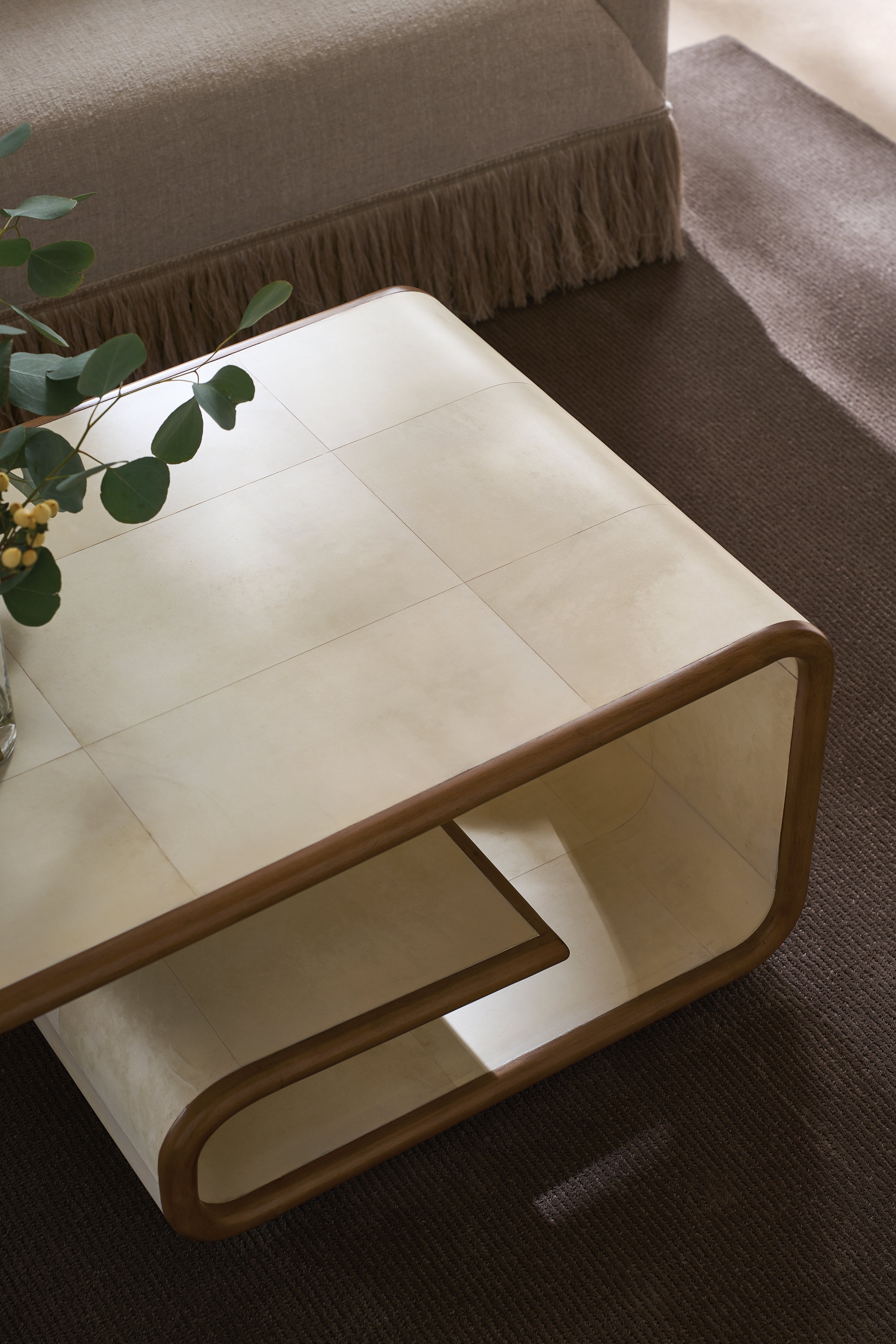
Beautiful veneer.
Stone.
Sculptural shapes.
A great console can function almost like art.
Style Around It Carefully
Don't cover every inch of the surface.
Try combining:
- A lamp
- Books
- Sculpture
- Artwork
- Mirror
- Decorative object
Leave some empty space.
Luxury is often about editing.
Find a statement console at ClearanceRoom.com.